Why Heating Bills Spike in January in Nova Scotia Homes
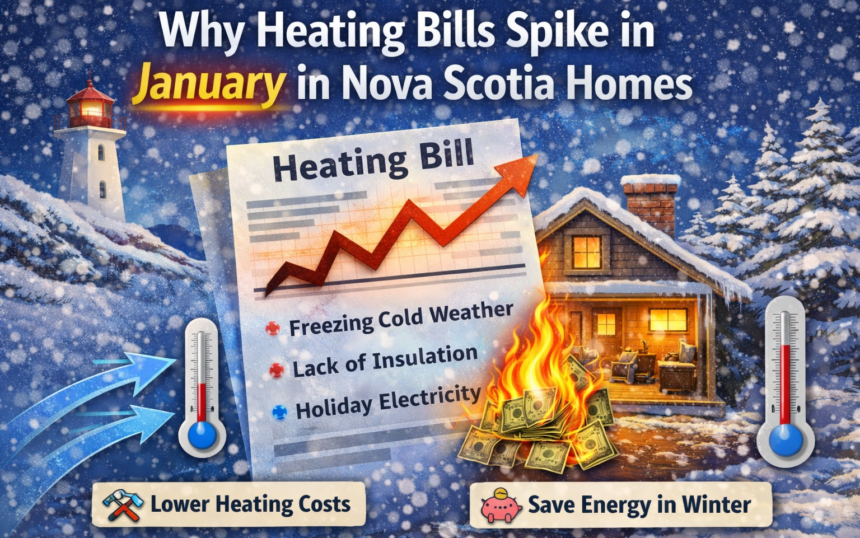
Many homeowners in Nova Scotia notice a pattern when reviewing their winter electricity bills. Heating costs tend to rise steadily through November and December, but January often produces the highest energy bills of the year.
Understanding why heating costs spike during this time can help homeowners manage energy use and reduce winter expenses.
January Is Typically the Coldest Month
In most parts of Nova Scotia, January brings the coldest temperatures of the year.
When outdoor temperatures drop significantly, heating systems must run longer and work harder to maintain comfortable indoor temperatures.
The colder the outdoor air becomes, the more energy is required to keep homes warm.
Shorter Days Increase Heating Demand
Another factor affecting heating bills is the amount of daylight.
During January, Nova Scotia experiences some of the shortest days of the year. Less sunlight means homes receive less natural warmth during the day.
This increases the amount of heating required during both daytime and nighttime hours.
Wind and Coastal Weather
Strong coastal winds are common during Nova Scotia winters. Wind increases the rate at which homes lose heat through walls, windows, and roofing structures.
Even well-insulated homes may experience higher heating demands when winter storms bring cold air and strong winds.
Energy Efficient Heating Can Reduce Winter Costs
One of the best ways to reduce January heating bills is upgrading to energy-efficient heating systems.
Modern cold-climate heat pumps can produce heat more efficiently than traditional electric baseboards or older heating equipment.
These systems allow homeowners to maintain comfortable indoor temperatures while using less electricity.
Homeowners across Nova Scotia often choose professional heat pump installation services from Quinn Energy to modernize their home heating systems and reduce long-term energy costs.
Preparing Before Winter Arrives
Preparing heating systems before winter begins can also help control energy costs.
Maintenance checks, insulation upgrades, and sealing drafts all improve heating efficiency.
When homes retain heat more effectively, heating systems require less energy to maintain comfortable temperatures during the coldest months of the year.