
Multi-Zone vs Single-Zone Heat Pumps in Nova Scotia Homes: Which One Is Right?
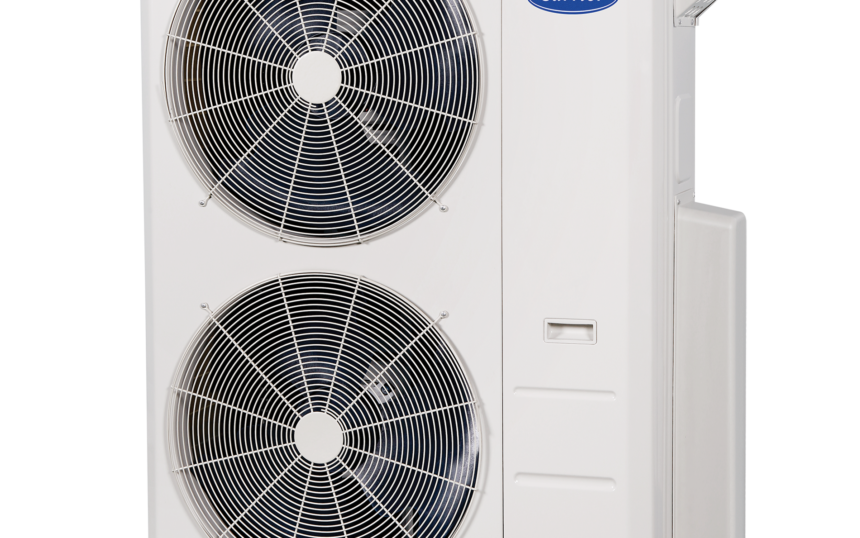
Multi-zone vs single-zone heat pumps Nova Scotia homes is one of the most important decisions homeowners make before installing a new system. The zoning choice directly affects winter comfort, electricity usage, and how well a heat pump performs during cold weather. Choosing the wrong setup can leave parts of the home cold, increase power bills, or force costly upgrades later.
At Quinn Energy, we help homeowners across Halifax, Dartmouth, Bedford, Sackville, and rural Nova Scotia choose heat pump systems that match how their homes actually function in real winter conditions.
What Is a Single-Zone Heat Pump?
A single-zone heat pump uses one outdoor unit connected to one indoor unit. It is designed to heat and cool one primary area efficiently rather than spreading capacity across multiple rooms.
Single-zone systems work extremely well in Nova Scotia homes when installed in open-concept living areas, main floors of split-entry homes, finished basements, or additions. Because all heating output is focused on one space, single-zone systems often deliver stronger winter performance with simpler operation.
When paired with professional heat pump installation in Nova Scotia, a properly sized single-zone system can handle a surprising amount of a home’s heating needs.
What Is a Multi-Zone Heat Pump?
A multi-zone heat pump connects multiple indoor units to one outdoor unit. Each indoor unit serves a different room or zone and can be controlled independently.
Multi-zone systems are commonly used in two-storey homes, older homes without ductwork, or houses where heat does not move well between floors. Bedrooms, upper levels, and finished basements are typical candidates for multi-zone setups.
The advantage is flexibility, but the system must be carefully designed so the outdoor unit can meet combined demand during cold Nova Scotia winters.
Multi-Zone vs Single-Zone Heat Pumps Nova Scotia Homes: The Real Difference
When comparing multi-zone vs single-zone heat pumps Nova Scotia homes, the biggest difference is how heating capacity is delivered.
Single-zone systems send full output to one indoor unit, which often results in stronger performance during cold snaps. Multi-zone systems divide capacity between multiple zones, which can reduce output to each room when several zones call for heat at the same time.
This is why system design matters more than brand names. Poor design can make a multi-zone system feel underpowered even when the equipment itself is high quality.
Which System Works Better in Nova Scotia Homes?
In many cases, a hybrid approach delivers the best results. Instead of one large multi-zone system, homeowners often install two high-performing single-zone systems — one serving the main living area and another serving the upper floor or basement.
This approach reduces complexity and often improves comfort in split-entry and two-level layouts common throughout HRM.
Multi-zone systems are still a good fit when rooms are separated by doors, airflow is limited, or different areas of the home need independent temperature control.
How Insulation Affects Zoning Decisions
Insulation quality plays a major role in heat pump performance. Areas with older insulation or air leaks lose heat faster and demand more output from the system.
Pairing heat pumps with spray foam insulation installation in Nova Scotia or blown-in cellulose insulation for Nova Scotia homes often improves comfort and reduces energy use, regardless of zoning choice.
Electrical Planning and Long-Term Maintenance
Multi-zone systems can place higher demands on electrical panels, especially when multiple indoor units are added. Proper planning avoids performance limits and future upgrade costs. Ongoing maintenance also matters, particularly for systems with multiple indoor units.
Many homeowners include regular heat pump cleaning and servicing to keep performance consistent and extend system lifespan.
The Bottom Line
Multi-zone vs single-zone heat pumps Nova Scotia homes is not a one-size-fits-all decision. The best setup depends on layout, insulation, airflow, and how your family uses the space.
If you want a heat pump system that performs reliably in real Nova Scotia winter conditions, Quinn Energy can help you choose the right zoning strategy and install it properly the first time.





Basement & Garage Heating in Nova Scotia: Are Heat Pumps Worth It?
March 10, 2026[…] understand how these systems compare, review multi-zone vs single-zone heat pumps in Nova Scotia homes. Zoning is especially useful when different parts of the house have different usage […]