
Heat Pumps for Older Homes in Nova Scotia: What Actually Works (And What Doesn’t)
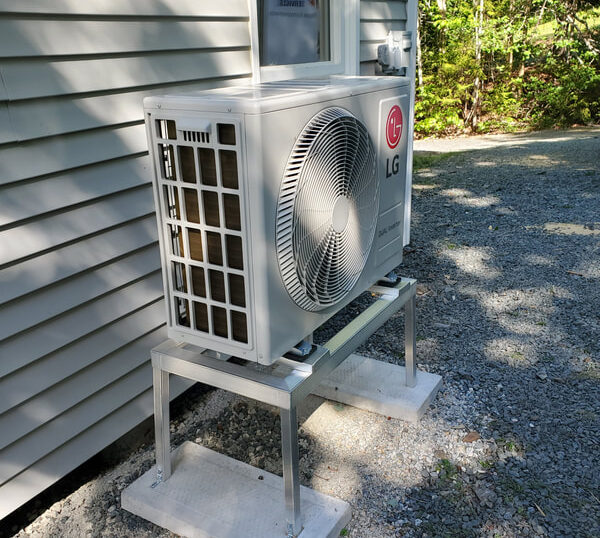
Older homes across Nova Scotia — especially those built before 1980 — were never designed for modern heating systems. From drafty walls to limited electrical capacity, many homeowners assume heat pumps simply won’t work in these houses. In reality, heat pumps can perform extremely well in older homes when the system is designed correctly.
At Quinn Energy, we design and install heat pump systems for older homes throughout Halifax, Dartmouth, Bedford, Sackville, and rural Nova Scotia, focusing on real winter performance — not shortcuts.
The Real Challenges Older Homes Present
Older Nova Scotia homes commonly deal with:
- Uneven or outdated insulation
- Air leakage and cold drafts
- Smaller or older electrical panels
- No existing ductwork
- Room-by-room temperature swings
These challenges don’t make heat pumps unsuitable — they simply require custom system design instead of one-size-fits-all installations.
Why Ductless Heat Pumps Often Work Best
For older homes, ductless heat pump systems are often the most effective solution. Unlike central systems, ductless heat pumps:
- Avoid invasive duct installation
- Allow zoning by room or floor
- Reduce retrofit costs
- Improve comfort gradually
- Work well alongside phased insulation upgrades
This makes them ideal for century homes, split-entry houses, and renovated properties across Nova Scotia. Many homeowners start with one or two indoor units and expand later as budgets allow.
👉 Learn more about ductless heat pump systems designed for Nova Scotia homes.
What Does Not Work in Older Homes
One of the biggest mistakes made in older homes is oversizing heat pumps to compensate for drafts. This often leads to:
- Higher electricity usage
- Short cycling
- Reduced efficiency
- Shortened system lifespan
Another common issue is ignoring electrical limitations. Older panels may not support additional loads without upgrades, which can restrict system performance or delay rebate approvals.
This is why professional heat pump installation in Nova Scotia must always include electrical evaluation and load planning.
How Quinn Energy Designs Heat Pumps for Older Homes
Every installation starts with understanding the house — not just its square footage. Our process includes:
- Heat-loss calculations
- Insulation and air-leakage assessment
- Electrical capacity review
- Floor-plan and zoning analysis
- Occupancy and usage patterns
From there, we design a system that works with the home’s limitations instead of fighting them.
Homeowners searching for heat pump installers in Halifax and HRM often choose Quinn Energy because we design systems specifically for Atlantic Canada’s climate and housing stock.
Do You Need to Upgrade Insulation First?
Not always. Many homeowners take a phased approach:
- Install heat pumps for immediate comfort
- Address major air leaks
- Upgrade insulation over time
This approach lowers upfront costs while still delivering energy savings and improved comfort right away.
Why Local Experience Matters in Nova Scotia
Nova Scotia’s climate presents challenges many installers overlook:
- Heavy snow accumulation
- Coastal salt air
- Freeze-thaw cycles
- High winter humidity
Quinn Energy installs systems designed to perform in real Nova Scotia winters, not mild climates.
The Bottom Line
Older homes in Nova Scotia can absolutely benefit from heat pumps — when system design, installation quality, and local experience are prioritized.
If you own an older home and want a heating solution that actually works, explore Quinn Energy heat pump services and get a system designed for long-term performance. heat pump systems built for Nova Scotia living.