

Heat Pump Placement in Nova Scotia Winters: Where Units Should (and Should Not) Be Installed
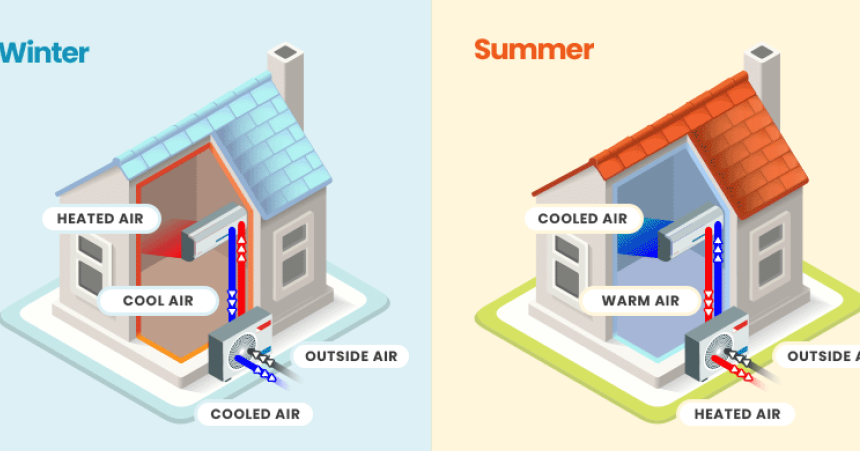
Heat pump placement in Nova Scotia winter conditions plays a major role in how efficiently a system operates during cold weather. Snow accumulation, ice buildup, wind exposure, and drainage issues can all reduce performance if a heat pump is installed in the wrong location. Understanding proper heat pump placement in Nova Scotia winter climates helps homeowners avoid higher power bills, frequent defrost cycles, and unnecessary service calls.
At Quinn Energy, we regularly see winter performance issues caused not by the equipment itself, but by installation shortcuts that don’t account for snow, wind, and freeze-thaw conditions common across Halifax, Dartmouth, Bedford, Sackville, and rural Nova Scotia.
This guide explains what homeowners should know about proper heat pump placement — and the mistakes that can quietly reduce efficiency.
Why Heat Pump Placement Matters More in Nova Scotia
Nova Scotia winters bring challenges many installers underestimate:
- Heavy snow accumulation
- Ice buildup during defrost cycles
- Strong coastal winds
- Freeze-thaw temperature swings
Heat pumps rely on unrestricted airflow and proper drainage. When outdoor units are buried in snow or placed incorrectly, efficiency drops and components wear faster.
This is why professional heat pump installation in Nova Scotia must account for winter conditions — not just summer performance.
Proper Outdoor Unit Height Above Snow
One of the most common winter issues we see is outdoor units installed too close to the ground.
Outdoor heat pump units should be:
- Elevated above average snow depth
- Mounted on wall brackets or reinforced stands
- Positioned to allow full airflow on all sides
When snow blocks the coil, the system works harder, uses more electricity, and struggles to defrost properly.
Avoiding Roof Runoff and Ice Damage
Another frequent mistake is installing outdoor units directly under roof edges or eaves.
In winter, melting snow refreezes and can:
- Form ice sheets on the unit
- Damage coils and fans
- Block drainage ports
Proper placement avoids direct roof runoff and ensures defrost water can safely drain away from the unit.
Airflow Is Not Optional
Heat pumps move large volumes of air. Outdoor units should never be:
- Boxed in by decks or fences
- Installed in tight corners
- Placed where drifting snow accumulates
Restricted airflow causes:
- Reduced heating capacity
- Frequent defrost cycles
- Increased operating costs
Correct spacing ensures stable winter performance.
Indoor Unit Placement Also Matters
Indoor head placement affects comfort just as much as outdoor positioning. Poor placement can cause:
- Uneven room temperatures
- Drafty airflow
- Inefficient heating patterns
Professional installers consider:
- Room layout
- Ceiling height
- Furniture placement
- Natural airflow paths
This is especially important in older homes and split-entry layouts common throughout HRM.
Maintenance Access Is Part of Good Design
Heat pumps require regular inspection and servicing to perform efficiently long-term. Units should always be installed where technicians can:
- Access filters and coils
- Clear snow and debris
- Perform safe winter maintenance
Quinn Energy designs systems with long-term servicing in mind, which reduces breakdowns and extends equipment life.
Learn more about heat pump cleaning and servicing and why maintenance matters.
Why Professional Installation Prevents Winter Problems
Many winter heat pump issues stem from rushed installs that ignore:
- Snow load planning
- Drainage routing
- Local wind exposure
- Long-term access
Working with experienced heat pump installers in Halifax and HRM ensures your system is positioned for reliable winter operation, not just initial startup.
The Bottom Line
Heat pumps can perform exceptionally well during Nova Scotia winters — but only when placement is done correctly.
If you’re planning a new system or concerned about winter performance, trust Quinn Energy heat pump installation services to design and install systems built for real Atlantic Canadian conditions.