
Why Nova Scotia Homes Need HRV Ventilation After Insulation Upgrades
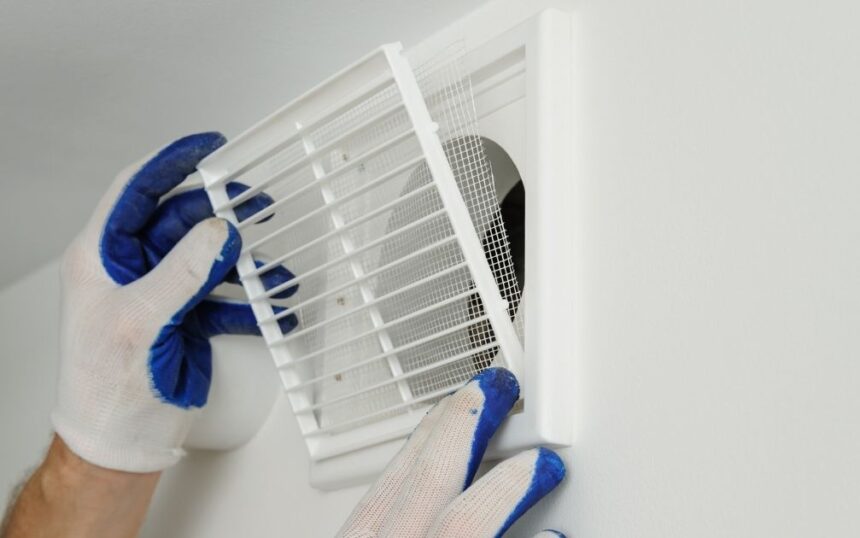
Nova Scotia homes need HRV ventilation after insulation upgrades because modern air-sealing methods trap moisture and indoor pollutants. Without proper ventilation, homes can develop mold, condensation, stale air, and structural moisture damage. HRV systems exchange stale indoor air with fresh outdoor air while preserving heat — protecting both indoor air quality and building materials.
HRV Ventilation in Nova Scotia Homes Explained
HRV ventilation in Nova Scotia is critical after insulation upgrades, spray foam installations, and air-sealing projects. As homes become more airtight, they lose natural air leakage that once allowed moisture and contaminants to escape.
Without an HRV system, moisture accumulates inside wall cavities and ceilings, leading to:
• Mold growth
• Window condensation
• Rotting framing
• Poor air quality
• Increased heating costs
Quinn Energy installs HRV systems designed specifically for Maritime humidity levels and winter conditions.
What Is an HRV System?
An HRV (Heat Recovery Ventilator) replaces stale indoor air with filtered fresh outdoor air while capturing heat from the outgoing air stream. This keeps your home fresh without wasting energy.
Signs Your Home Needs HRV Ventilati
| Symptom | What It Means |
|---|---|
| Condensation on windows | Trapped humidity |
| Musty smells | Mold risk |
| Dry throat & headaches | Poor air quality |
| Uneven heating | Air stagnation |
Why HRVs Reduce Heating Costs
HRV systems recover up to 80% of outgoing heat, meaning your heat pump works less while maintaining fresh air circulation.
Why Nova Scotia Homeowners Choose Quinn Energy
- HRV ventilation specialists
- Spray foam insulation upgrades
- Heat pump integration
- Rebate & financing assistance
Protect Your Home & Your Air
👉 Book your free HRV ventilation assessment with Quinn Energy today.